

My husband and I retired and moved into an RV. We have been in our RV for over 3 months now. Traveling in an RV is NOT cheap. Here are the best ways we found to save money!
- Gas apps- Download the apps for Pilot/ Flying Jay, Maverick, Fuel Forward (Phillips, Conoco, 76), Valero Pay +, Loves, and any other gas apps you can find. It is time consuming, so while you are a passenger, use the time for downloading and signing up for rewards. Most of the apps have 10 cents off per gallon if you use their app to pay, so it takes even more time to link your bank account. Maverick has free use of their dump station if you are a reward member ($10 value). Many of the apps include free food or coffee when you sign up. The savings on gas can really be helpful when you are using tons of gas to pull a camper!
- Grocery Store Apps– just like gas apps, grocery store apps are filled with coupons, promotions, and freebies. While on the road, I would look ahead to the closest grocery store near the campground we were staying at and download their app. I would then download all of the digital coupons and promotions. I downloaded Albertsons, Publix, Safeway, Davis Foods and other apps for stores that we don’t have at home. Many of the stores had a $5 off welcome offer or other promotions that definitely added up over a long trip.
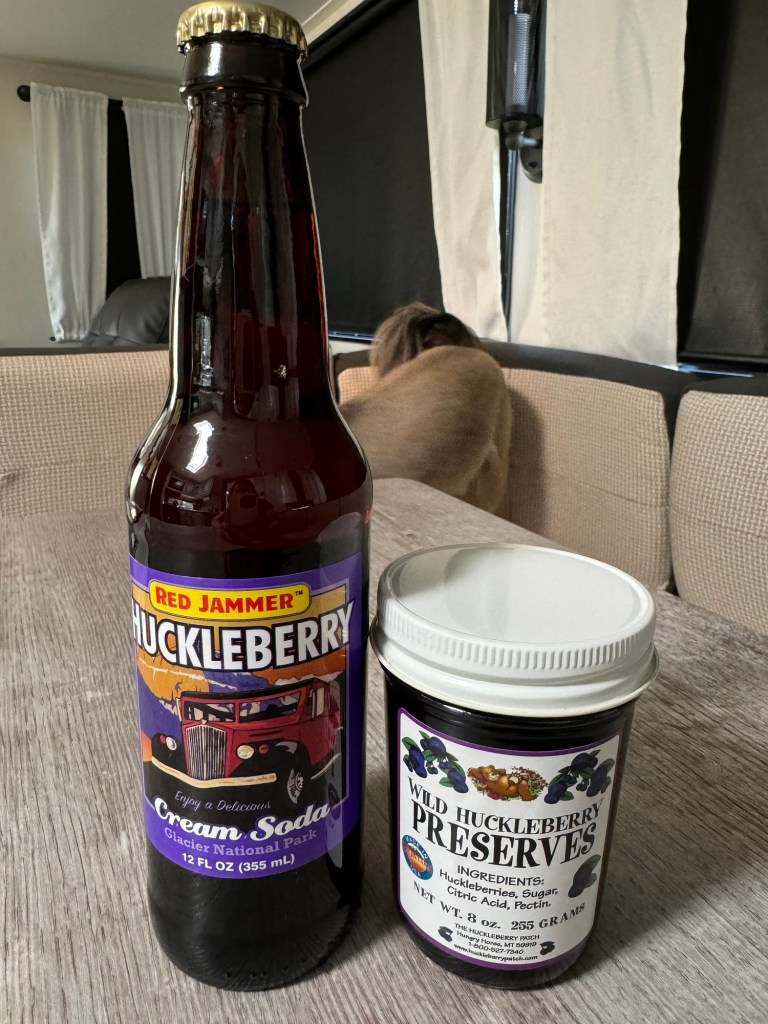
- Eat in and pack lunches. We tried to cook in the camper as much as possible. We would buy groceries every 3-4 days so we made sure we had room in our fridge and also wouldn’t waste food. We planned our meals as we went through the grocery store and found things on sale. We made sure to look for regional specialty foods to make grocery shopping fun. We bought huckleberry jelly at Yellowstone, hatch chiles in New Mexico, etc. Each day, we would make breakfast, pack a cooler of lunches and snacks, and head out to sightsee and explore for the day. We wouldn’t eat dinner until we came back to the campground.
4. Use nature as entertainment. Most of our entertainment was exploring National and State Parks. A National Park Pass is $80 for as many parks as you can go to for the year. The pass works for your whole car. Stargazing, hiking, picture taking, bike riding, picnics, wildlife viewing, scenic drives— all of these are fun and after your park pass— are free! We also downloaded the Action Tour Guide App and used that instead of paying for expensive tours.
5. Campground Memberships- We used both Good Sam and the KOA memberships. Many non-KOA campgrounds belonged to Good Sam and gave us 10% off. We received our Good Sam Membership for free when we bought our camper from Camping World. The standard membership is normally $39 a year. We saved a total of $108 on 12 nights using this discount. KOA also gives 10% off and points rewards for their membership which costs $36 a year. We saved a total of $82.80 using our 10% discounts and also earned an additional $25 off by using the points we accumulated for a total of $107.80 in discounts. After the $36 we paid, our total savings was $71.80 for 11 total night stays.
6. Shop at Goodwill for souvenirs– Wherever we visit, we skip the souvenir shops and find a Goodwill or other thrift store. For example, I bought my Magnolia Press T-shirt for $4.99 instead of $34.99 in Waco. We bought Yellowstone T-shirts for $3.99 each. So skip the expensive stores and find gently used items for a fraction of the price!
7. Less driving and longer stays– our original plan for our trip was to go all the way to Washington and Oregon. We later decided it was just too much driving for the amount of time we wanted to be gone, so we cut that out. The less you drive and the longer you stay in one place, the more you save money. Campgrounds often offer weekly and monthly rates, so if you can choose one place and spend a month there, you will save money. At $100 a night, it costs $3,000 for a month of camping. Staying for a week at $300, the month is now $1,200. Better yet, you can often get a month rate for around $900-$1,000. This varies greatly from place to place, but you always can find better deals on campgrounds if you can stay in one place for a while. It also gives you more days for the same amount of gas.
8. Use a hot spot for TV– Many campers suggested an internet service, but we upgraded our hot spots on our cell phone to 60 GB each for an extra $5 per line. We used this to stream in places that had no cable. This worked for us the whole trip and only cost $10 a month as opposed to around $100 a month for services like StarLink.
9. RV Life App– the RV Life App cost $65 for the year. It provides RV safe routes on its GPS, but also provides a map to locate and select campgrounds. You can shop for the best campgrounds at the lowest prices. We used the app to find the best campgrounds in reasonable price ranges. The app includes ratings, reviews, amenities, and prices. It was very helpful to help us find cost effective yet nice campgrounds.
10. Coupon books– most touristy areas are full of coupon books and brochures. Be sure to pick those up in rest areas and visitor information booths as soon as you arrive. This way you can scan the offers and be ready to use the discounts as needed!
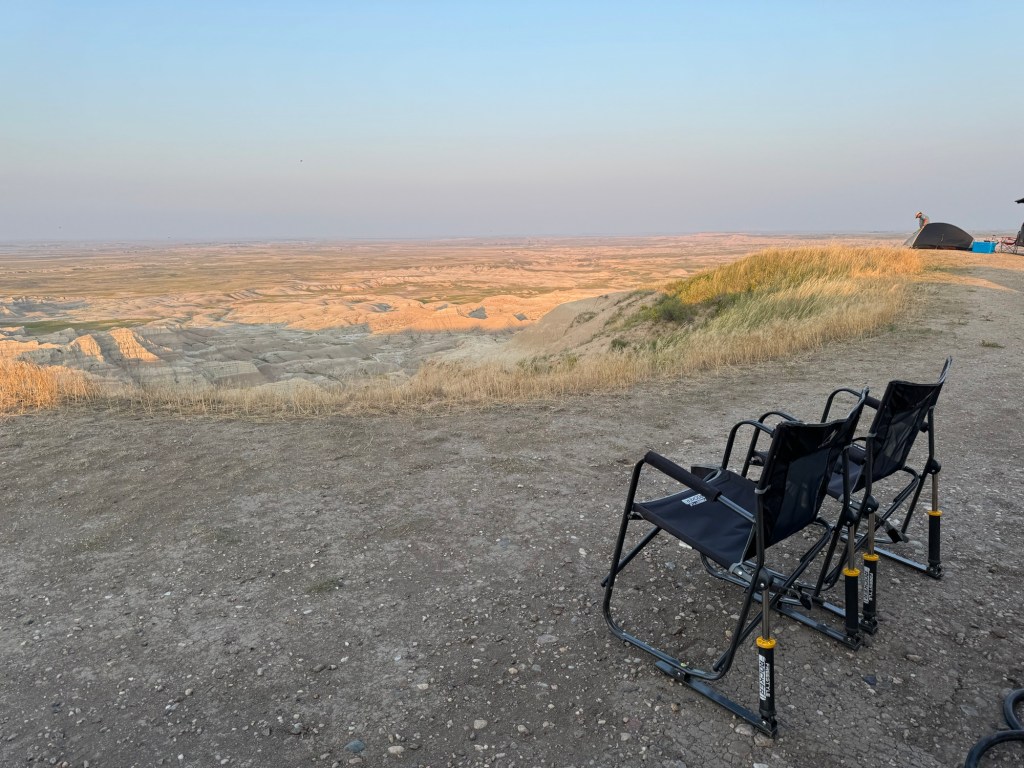
11. Boondocking! There are many places to stay for totally free! It takes planning though and isn’t as convenient as paid campgrounds. We only boondocked once, but it was incredible! We stayed at “the wall” of the Badlands and the views were priceless. If you really want to save money, there are apps to help you find “dispersed camping”. I’ve heard apps like Harvest Hosts are great for this, but haven’t tried them yet. You pay a membership, but then boondock on their property for free as long as you make a purchase at their business.
Hope these help! No matter what— have fun! RV trips make memories that are priceless and worth every penny you spend!!😁😁
 Leap of Faith: Our Retirement Adventure
Leave a comment